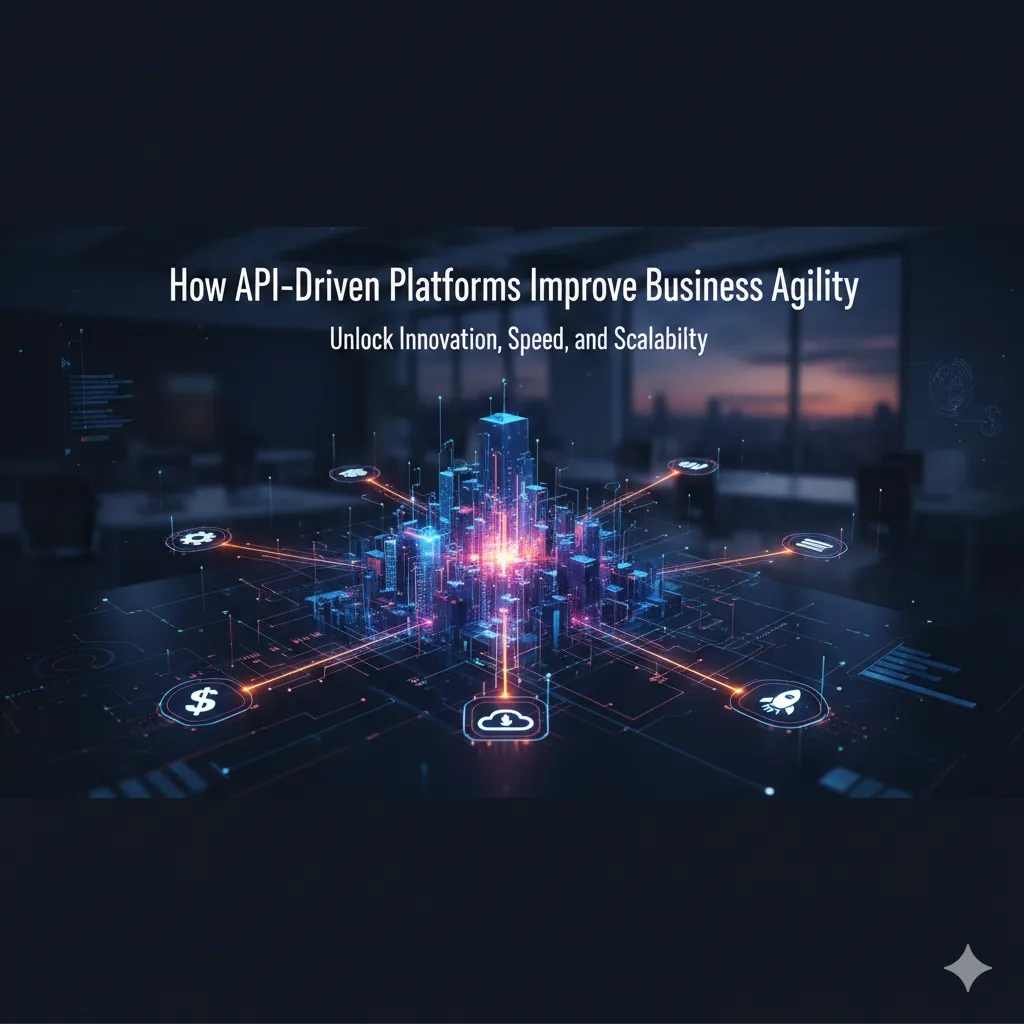
How API-Driven Platforms Improve Business Agility
API-driven platforms enable faster integration, scalability, and innovation across digital ecosystems.
Read More →Chandra Kant Budhalakoti
December 30, 2025
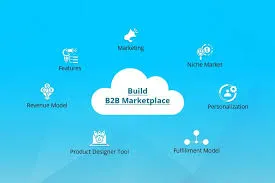
Building a B2B marketplace platform is no longer just about connecting buyers and sellers.
Modern B2B platforms must be scalable, secure, and capable of handling complex business workflows.
In this article, we’ll walk through the key components, architecture decisions,
and best practices required to build a future-ready B2B marketplace.
A B2B marketplace is a digital platform that enables businesses to buy and sell
products or services at scale. Unlike B2C platforms, B2B marketplaces deal with
bulk orders, negotiated pricing, approval workflows, and long-term contracts.
Choosing the right technology stack is critical for scalability.
A headless architecture with API-driven services allows faster iteration and better performance.
Key considerations include:
B2B platforms often deal with sensitive pricing and customer data.
Security should be built into every layer, including authentication, authorisation, and data encryption.
Building a scalable B2B marketplace requires careful planning, the right architecture,
and a focus on long-term growth. With the right foundation, businesses can create
platforms that drive efficiency, transparency, and revenue growth.
About the Author
Chandra Kant Budhalakoti
API-driven platforms enable faster integration, scalability, and innovation across digital ecosystems.
Read More →
Headless architecture enables faster development, better performance, and seamless scalability for modern platforms.
Read More →